Showing posts with label Common Boneset. Show all posts

Saturday, September 14, 2019

Around The Farm In September

The days and nights are getting cooler. Autumn is in the air. I stopped by my neighbors' sheep farm to chat, and we were joined by two sheep, a ewe and a lamb, who have become pets and have no need to fear becoming mutton:

I only have five or six pears this year, but they look mighty good:

I walked far out into the field and then turned back and snapped this picture of the farmstead. From left to right: The hay supply, the house, the stock tank, the barn and my neighbor passing by on the gravel road with a wagonload of hay bales:

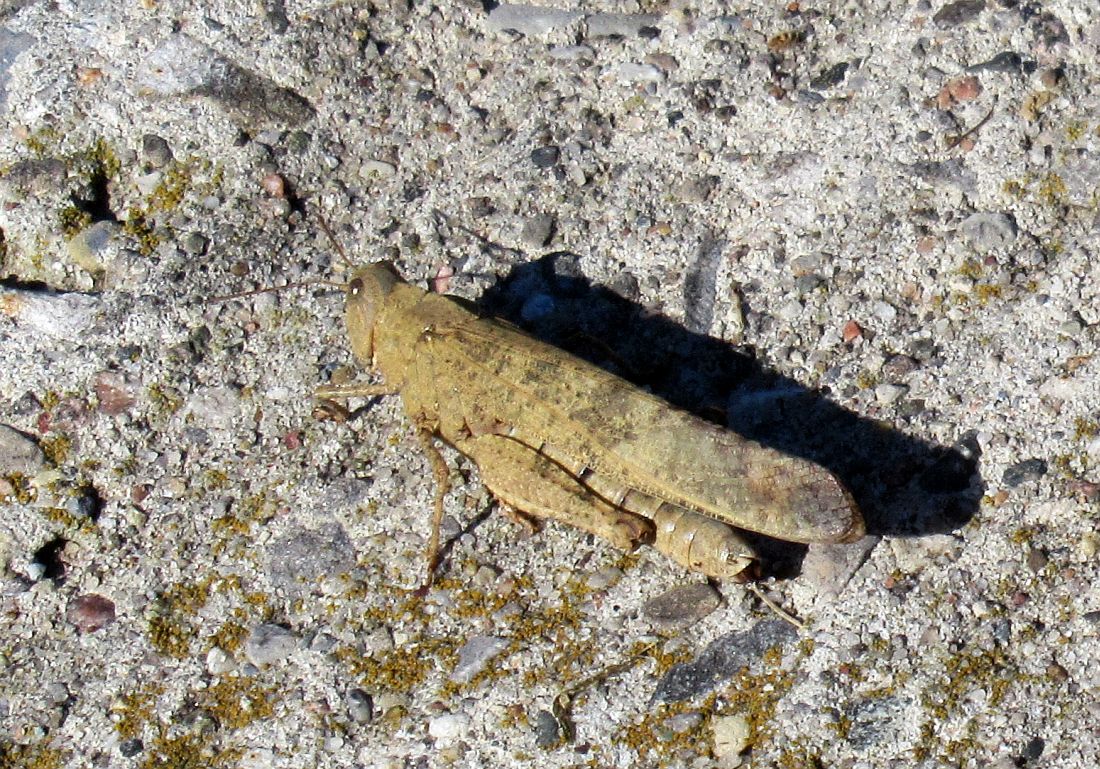
Autumn brings with it an abundance of crickets, but I haven't seen a closeup of a grasshopper in a long time. I was happy that this one held still long enough for me to get a photo:
The Rose Mallows began to bloom more so I went out to snap a picture of them:

Alas, I didn't see the hornet's nest which had been built just outside my front door (which I seldom use). I only got stung once but then began spraying it until they were all dead:

Wild Hyssop has sprung up in the pasture, just as it did last year:

I brought a sprig of Hyssop indoors for a closer look and got this photo of its tiny flowers:

And Boneset is blooming in the south field. It was once believed to heal broken bones because its leaves (on each side of the stem) were connected, kind of like a broken bone which had healed:

Pennsylvania Smartweed is also abundant in the south field and is just beginning to bloom:

 Lady's-Thumb Smartweed is much prettier than its relative, and it grows all around my back door:

 I knew it was autumn when the first New England Asters bloomed. This was all there was at the time, but more are now beginning to flower:

Lady's-Thumb Smartweed is much prettier than its relative, and it grows all around my back door:

Friday, August 24, 2018

Wildflower Fence Walks

I took two walks one day along the fence line, once for enjoyment and once to repair the fence. I was amazed both times at the spectacular displays of wildflowers I saw. This wild collection for instance was Queen Anne's Lace, Red Clover, Black-Eyed Susan and Goldenrod:

 Just a few steps farther and I saw Common Boneset (more on this later in this post), Purple Loosestrife and Goldenrod:

 But what on earth were these tiny, daisy-like flowers? I took a number of photos to look them up back in the house:

 I looked them up and decided that they were probably Tradescant's Aster, a new plant for me. I later found a picture of Prairie Fleabane and thought that it might be that also. Whatever it was, it was interesting:

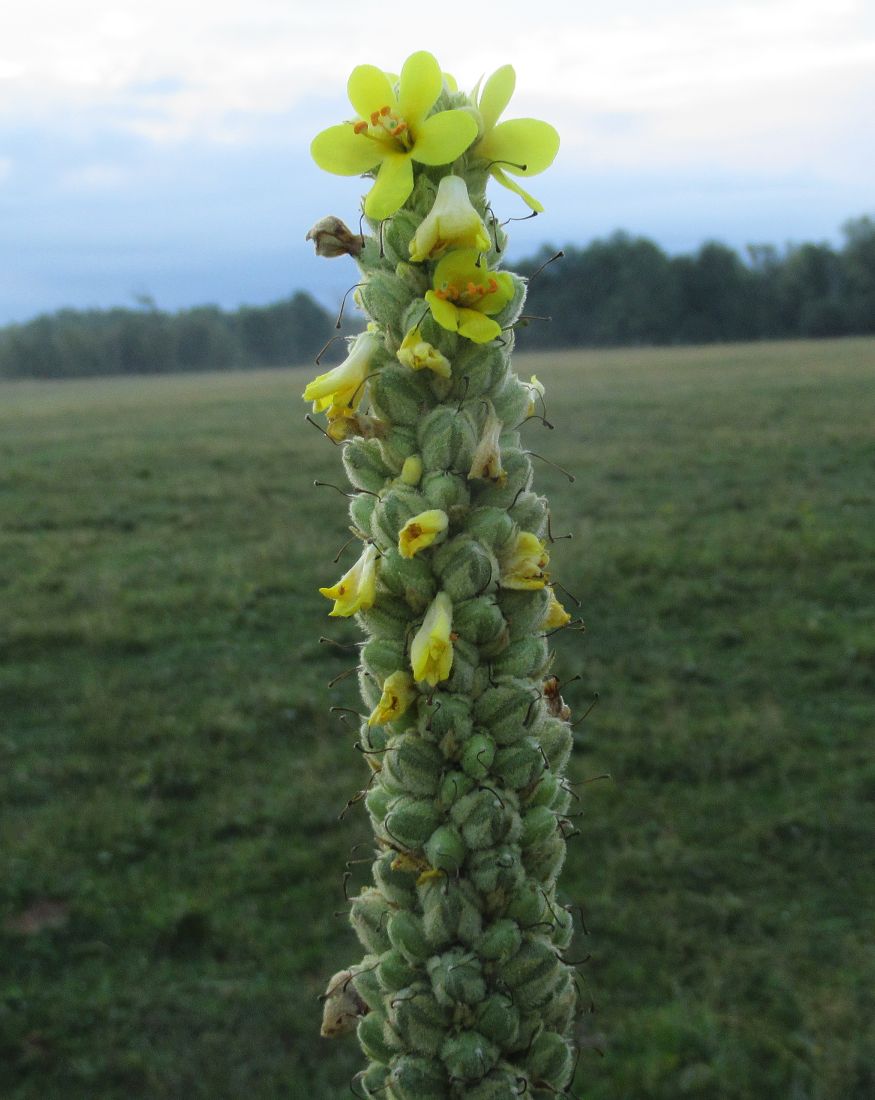
 This single Common Mullein stood five feet high and right next to the fence wire (I'd turned off the electricity):

 A close-up of Common Mullein's flowers:

 This was a familiar old favorite which, for most of my life, I called Coffee Grounds. The real name is Curly (or Curled) Dock, but when we were kids, we'd strip the seeds from the stalk and pretend they were coffee grounds, which they did resemble:

 I don't remember Common Boneset ever growing in my fields before, but there is a lot of it this year:

 Boneset got its name because its leaves are joined at the stalk, prompting pioneers to think it could heal broken bones. Native Americans knew better and used it for fevers and as an antibiotic/anti-viral. Some people still use it today:

 My photo of these minuscule flowers wasn't very good. They were exceedingly small and looked a lot like Lobelia flowers. I looked them up when I got back to the house and decided that they were indeed a form of Lobelia, named Indian Tobacco. They were mostly lavender color although they look white in this photo:

 Queen Anne's Lace and St. Johnswort. The day honoring St. John's Day beheading is coming up and I must remember to test the sap to see if it is red: