The pure white Morden Snowbeauty was the only rose of the six I planted this spring which had not yet bloomed. It finally began to flower, and right next to the pink Carefree Beauty:
In the pasture, the wild Butter-And-Eggs began to flower:
And the white fantail pigeons were having a good year:
They produced more successful nests and babies this year than ever before:
Newborns in a cake pan nest:
A newly hatched baby being fed "pigeon milk," which is partially digested food, regurgitated for their babies (by both parents, who share the caretaking):
Another wildflower bloomed, in the lawn and pasture - Birdfoot Trefoil:
The Rugosa roses continued to bloom and the wild Bouncing Bet continued to add its white flowers to the extravagant display:
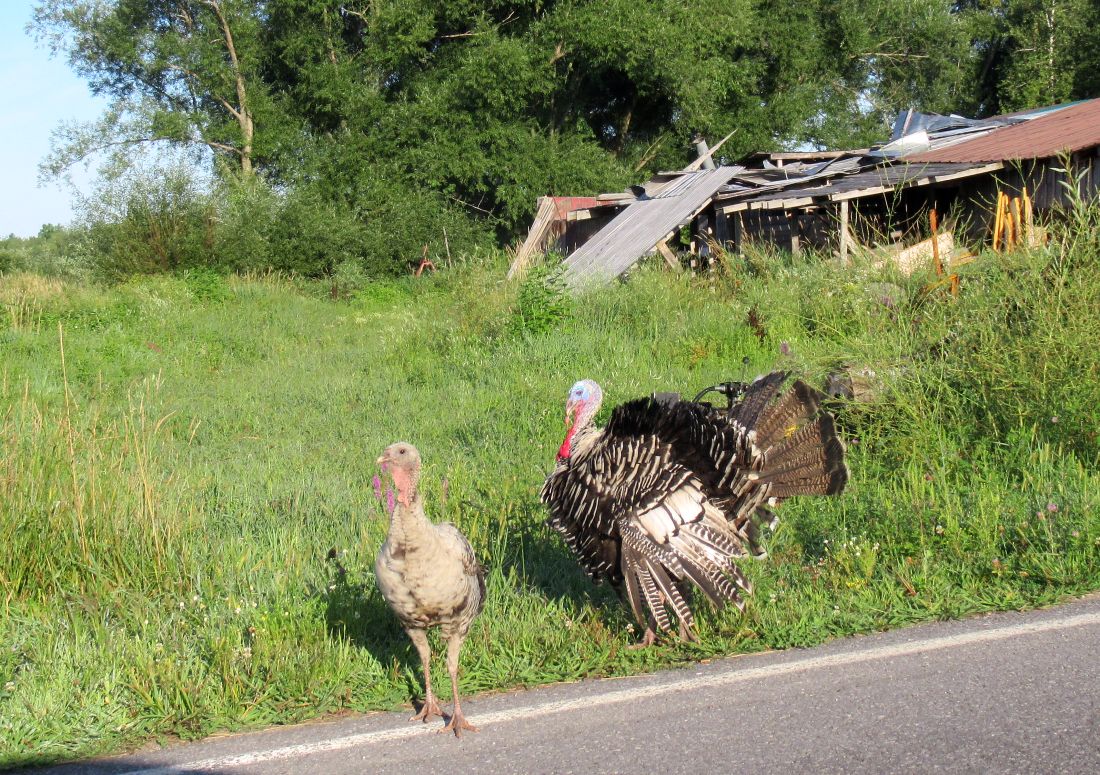
The neighbors' Narragansett Turkeys still roam the county road and strut their stuff for passersby. I imagine their displays will come to an end near Thanksgiving:
I had left the barn uncleaned for longer than usual and took a picture to illustrate how badly it needed cleaning - but alas, the picture makes it look rather clean. OK then, let's just say I've been keeping an immaculate barn! Really though, I hauled 6 or 7 loads of sodden bedding out of there with the tractor:
And a heart shaped sunflower appeared, perhaps a good omen:
Green Elderberries began to form by the millions, and the Wild Cucumber vines began flowering on top of the Elderberries:
Showing posts with label Butter-And-Eggs. Show all posts
Friday, August 30, 2019
Wednesday, August 29, 2018
In Search Of The Folklore Of St. Johnswort
St. Johnswort of course is known as an antidepressant and has many other medicinal uses. It has also been believed to hold magical powers through the centuries such as foretelling one's longevity, conjuring up evil spirits or protecting one from evil spirits.
But the legend I wanted to pursue was that of the plant's sap on the day of St. John's beheading. The way I originally heard it, the sap of St. Johnswort would turn red on that day, which is usually observed on August 29. Many years ago I checked and found that the sap was actually sort of red, which fueled my curiosity. This year I promised myself I'd try again as we got close to August 29.
I went out to the ditch along the county road to check for myself and was amazed at the abundance of colorful wildflowers. In this photo alone, I see Goldenrod, Butter-and-Eggs, Orpine (our wild Sedum) and Deptford Pinks. Of course there are many other plants without flowers too:
Another angle, showing Queen Anne's Lace, Opine, Goldenrod, Deptford Pink and Butter-and-Eggs:
There is an orange flowered species and a yellow flowered species. Mine appeared to be a hybrid. I know that's possible, but I wonder if it's likely:
The fence line was also abloom with Blue Vervain;
But again, I was there to check the sap of St. Johnswort. I found another plant and broke the stem in search of sap. Again I couldn't find any, not even a micro-drop. Perhaps the next time I check, it will have to be in June, when St. John's birth is celebrated. Maybe they'll have more sap then. So I never got proof or disproof of the legend, but I did enjoy being outdoors on a beautiful August afternoon:
But the legend I wanted to pursue was that of the plant's sap on the day of St. John's beheading. The way I originally heard it, the sap of St. Johnswort would turn red on that day, which is usually observed on August 29. Many years ago I checked and found that the sap was actually sort of red, which fueled my curiosity. This year I promised myself I'd try again as we got close to August 29.
I went out to the ditch along the county road to check for myself and was amazed at the abundance of colorful wildflowers. In this photo alone, I see Goldenrod, Butter-and-Eggs, Orpine (our wild Sedum) and Deptford Pinks. Of course there are many other plants without flowers too:
Another angle, showing Queen Anne's Lace, Opine, Goldenrod, Deptford Pink and Butter-and-Eggs:
It was all fascinating and photogenic, but I was after St. Johnswort, and I knew there was some nearby:
I found a plant and broke off a stem. Alas, I couldn't find any sap at all. Perhaps our drought had left the interior of the plants low on sap this summer. I read one account saying that St. Johnswort sap turns red when it contacts air, which would explain my earlier experience, but of course that would only work when the plant has enough sap to ooze out: 
I went out again later, this time to the far south field fence line. It was filled with Joe-Pye-Weed and Jewelweed, another wildflower rich in folklore:
. There is an orange flowered species and a yellow flowered species. Mine appeared to be a hybrid. I know that's possible, but I wonder if it's likely:
The fence line was also abloom with Blue Vervain;
But again, I was there to check the sap of St. Johnswort. I found another plant and broke the stem in search of sap. Again I couldn't find any, not even a micro-drop. Perhaps the next time I check, it will have to be in June, when St. John's birth is celebrated. Maybe they'll have more sap then. So I never got proof or disproof of the legend, but I did enjoy being outdoors on a beautiful August afternoon:
Tuesday, July 17, 2018
Flowers, Spent And Otherwise
Once the flower petals fall to the ground, some plants still continue to offer a kind of beauty. This is Ninebark, prettier after the flowers were all gone than it was when they were in bloom:
The remnants of the Snowball Bush flower clusters:
The Old Fashioned Rose, with a few rose hips already forming:
The Bridal Veil Spirea, like the Ninebark, is bright red after the white flowers are gone:
The Peony remnants are always big and colorful. But are these sepals or specialized bracts? I suspect they are the sepals, but I can't be sure:
Green stars left behind on the Mock Orange bush:
I was out in the pasture, searching once again for one of the horses' muzzles, when I spotted a small wildflower which was new to me. I took some photos, then looked it up in my old college field guide:
It was a member of the Snapdragon family with the unfortunate name of Swamp Lousewort:
And in the same family, an especially healthy Butter-And-Eggs plant grew by the fence:
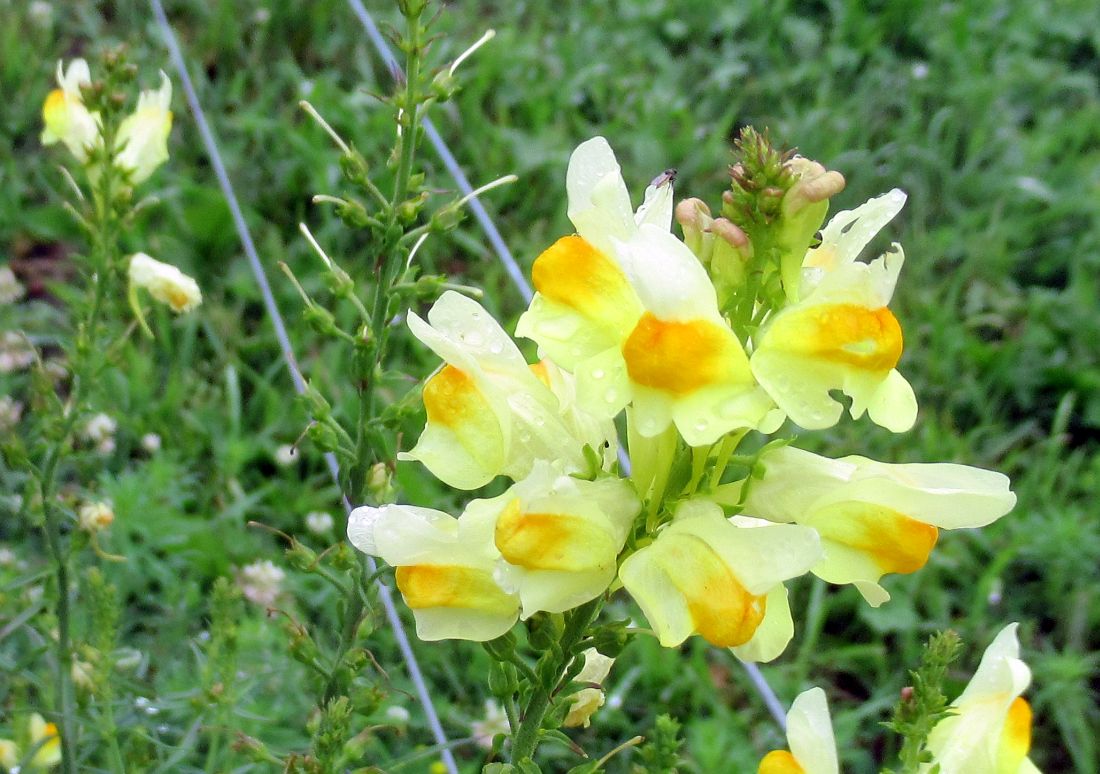
A closeup of the Butter-And-Eggs flowers:
The Morden Sunrise baby rose was blooming again:
And so was the Morden Blush baby rose right next to it. These two roses seem to be prolific bloomers. With their cold hardiness and relative lack of thorns, I think they will be favorites for many years to come:
Sunday, July 8, 2018
Summertime On The Farm
It's midsummer and life on the pasture is relaxed and comfortable:
I saw windfall cherries all over the ground beneath the cherry tree and thought this year's crop was lost:
But then I looked up and saw lots of baby cherries still on the tree:
There are many green baby pears on the pear tree:
And a few red baby pears also. I don't know why some are turning red so early, but I'm pretty sure this happens every year:
The plum tree is loaded with baby plums:
And the unmowed places near the road are filled with Northern Bedstraw, Mullein and Butter-And-Eggs:
A close-up of Butter-And-Eggs:
My favorites were this Deptford Pink, surrounded by Northern Bedstraw:
The apple trees in the grove are mostly without fruit, but the two trees on the other side of the house have lots of baby apples:
I saw this patch of Lesser Stitchwort, a kind of Chickweed, in a spot next to the barn door where I couldn't mow:
Lesser Stitchwort, up close, is really quite attractive:
I saw windfall cherries all over the ground beneath the cherry tree and thought this year's crop was lost:
But then I looked up and saw lots of baby cherries still on the tree:
There are many green baby pears on the pear tree:
And a few red baby pears also. I don't know why some are turning red so early, but I'm pretty sure this happens every year:
The plum tree is loaded with baby plums:
And the unmowed places near the road are filled with Northern Bedstraw, Mullein and Butter-And-Eggs:
A close-up of Butter-And-Eggs:
My favorites were this Deptford Pink, surrounded by Northern Bedstraw:
The apple trees in the grove are mostly without fruit, but the two trees on the other side of the house have lots of baby apples:
I saw this patch of Lesser Stitchwort, a kind of Chickweed, in a spot next to the barn door where I couldn't mow:
Lesser Stitchwort, up close, is really quite attractive:
Friday, June 15, 2018
Flowers, Horses And Birds
The pasture is lush now, growing faster than the herd can eat it down. With my worry about the horses and founder - and the cows and obesity, I am not doing any rotational grazing. Furthermore, the horses spend each night in the barn, where they can get respite from their muzzles without access to any more green grass than they've already had:
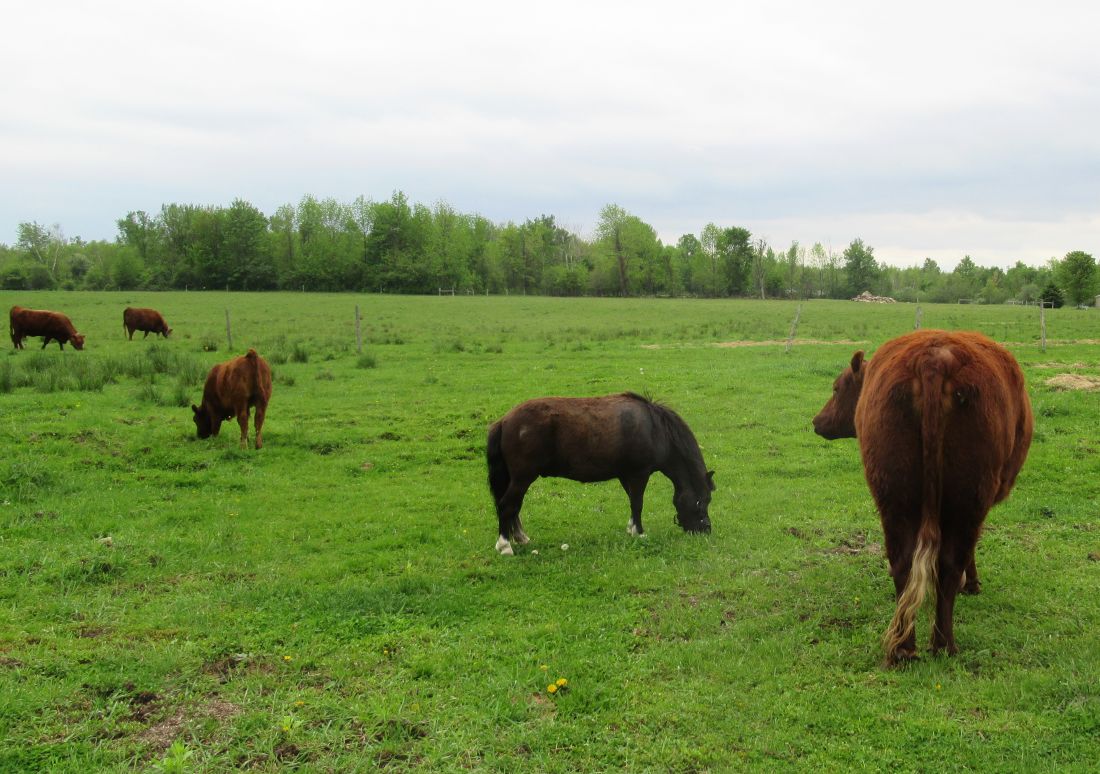
All in all, it's a peaceful, happy herd:
One of the two Canadian roses I planted, the Morden Blush, produced its first flower. The description called it an "ivory pink," which I'd consider accurate. This flower, however, was tiny. They should be 2-3" when the plant gets bigger:
These pale yellow Iris began to fill up my rock garden and I was sure I hadn't purchased any of that color. Then I remembered that I'd planted old roots from the ground where the generator shed now stands. Well, they certainly put on a show. Oddly, I had purple Iris on the south side of the house and yellow on the north side:
In the wildflower department - lawns, fields and road edges began to fill up with extravagant blooms such as these Butter-And-Eggs. It won't surprise you to learn that it's related to the Snapdragon:
Roughleaf Dogwood bushes, 6-12 feet tall, burst into bloom all along the roads and edges of forests and fields:
Ragged Robin bloomed everywhere, especially in pastures, hay fields and road edges. It's really more purple than this, but I couldn't get any photo to show it:
And of course Buttercups bloomed everywhere. The livestock won't eat them, so they flourish. When we were kids, we used to hold a Buttercup flower beneath our chin. If it reflected yellow, it meant you liked butter. If not, you didn't. That this yearly childhood game had no connection to reality meant nothing. It was a tradition:
Yellow Rocket or Winter Cress, another common flower of roadsides and fields:
I had a problem with my pigeon and chicken feeders being emptied each day, much of it scattered on the floor around the feeder. It was a mystery which needed solving:
Then one day I stood on my porch and watched while English Sparrows flew through the open mesh of the baby gate in the pigeons' window and the bars in the chickens' door. How was I going to solve that problem?
I got 1/2" hardware cloth and covered both openings so that the sparrows could no longer come and go at will. I'm not yet sure it worked because I just did it and it's possible, in an old barn, there are other ways for them to get in. But I'm sure I at least slowed them down:
All in all, it's a peaceful, happy herd:
One of the two Canadian roses I planted, the Morden Blush, produced its first flower. The description called it an "ivory pink," which I'd consider accurate. This flower, however, was tiny. They should be 2-3" when the plant gets bigger:
These pale yellow Iris began to fill up my rock garden and I was sure I hadn't purchased any of that color. Then I remembered that I'd planted old roots from the ground where the generator shed now stands. Well, they certainly put on a show. Oddly, I had purple Iris on the south side of the house and yellow on the north side:
In the wildflower department - lawns, fields and road edges began to fill up with extravagant blooms such as these Butter-And-Eggs. It won't surprise you to learn that it's related to the Snapdragon:
Roughleaf Dogwood bushes, 6-12 feet tall, burst into bloom all along the roads and edges of forests and fields:
Ragged Robin bloomed everywhere, especially in pastures, hay fields and road edges. It's really more purple than this, but I couldn't get any photo to show it:
And of course Buttercups bloomed everywhere. The livestock won't eat them, so they flourish. When we were kids, we used to hold a Buttercup flower beneath our chin. If it reflected yellow, it meant you liked butter. If not, you didn't. That this yearly childhood game had no connection to reality meant nothing. It was a tradition:
Yellow Rocket or Winter Cress, another common flower of roadsides and fields:
I had a problem with my pigeon and chicken feeders being emptied each day, much of it scattered on the floor around the feeder. It was a mystery which needed solving:
Then one day I stood on my porch and watched while English Sparrows flew through the open mesh of the baby gate in the pigeons' window and the bars in the chickens' door. How was I going to solve that problem?
I got 1/2" hardware cloth and covered both openings so that the sparrows could no longer come and go at will. I'm not yet sure it worked because I just did it and it's possible, in an old barn, there are other ways for them to get in. But I'm sure I at least slowed them down:
Subscribe to:
Posts (Atom)